Slot Volatility Explained: The Number That Actually Shapes Your Session

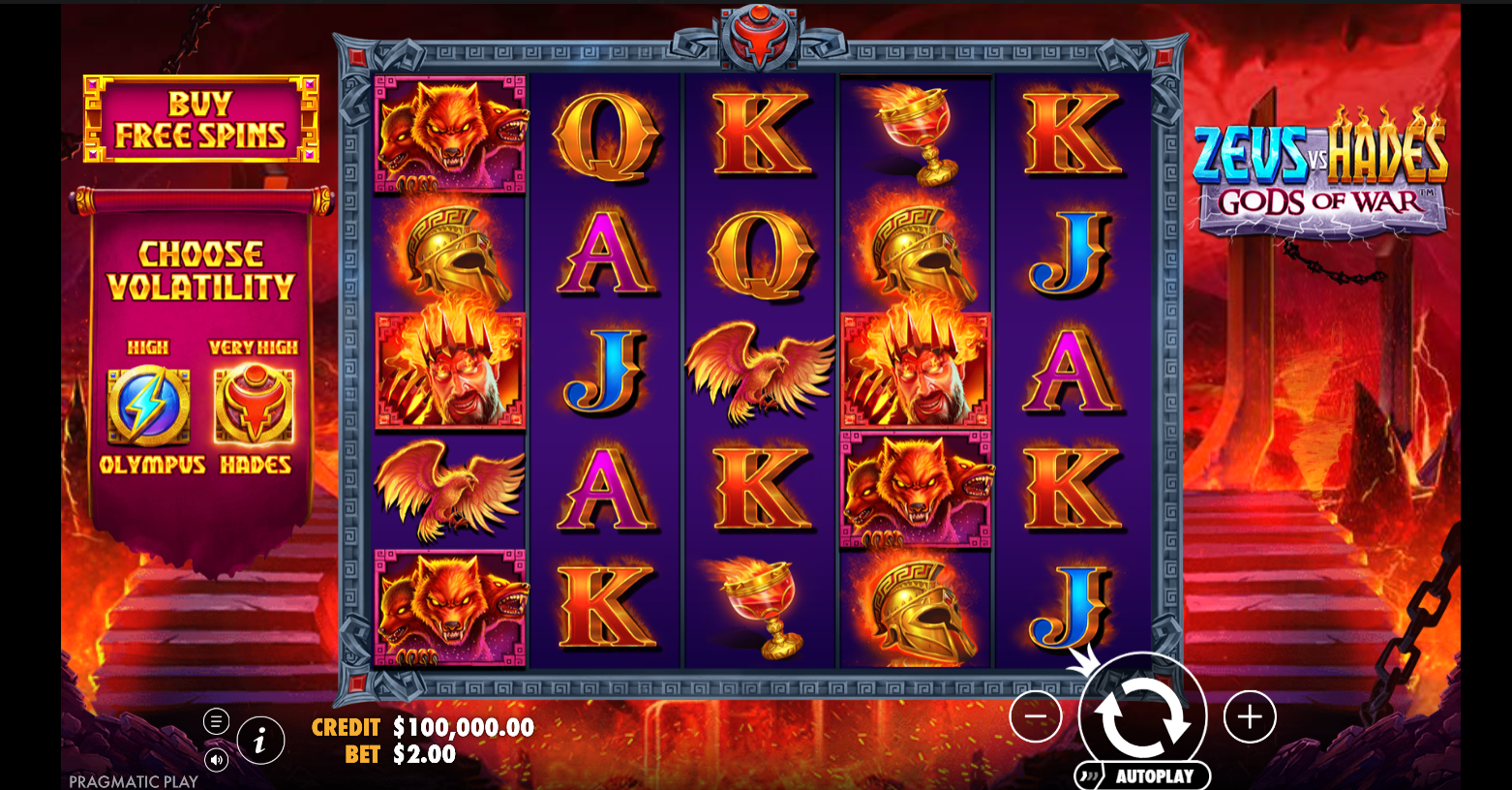
Slot Volatility Explained: The Number That Actually Shapes Your Session
If you only look at one stat before playing a slot, make it volatility, not RTP. RTP tells you the long-run price of the game. Volatility tells you what tonight is going to feel like. After 15 years of playing slots, this is the stat that decides which game I open and how much money I bring to it.
What volatility means
Volatility, sometimes called variance, describes how a slot distributes its payback.
- A low volatility slot pays often and pays small. Lots of hits, few surprises, your balance moves like a slow tide.
- A high volatility slot pays rarely and pays big when it does. Long stretches of nothing, then a feature that can return 100x or more, or not.
Two slots can have the exact same 96% RTP and feel like completely different games. The low volatility one drips that 96% back to you constantly. The high volatility one holds it back and releases it in spikes. Same average, opposite experience.
The two numbers behind volatility
Volatility is really the combination of two things, and good reviews should report both:
Hit frequency. How often any winning combination lands. A low volatility slot might hit on 1 in 3 spins. A high volatility slot can sit around 1 in 5 or worse, and many of those "hits" pay less than the spin cost.
Win distribution. How the total payback is split between small wins and big ones. High volatility games load a large share of their RTP into the bonus feature and the max win, which most sessions never see.
This is why max win matters. A slot advertising a 50,000x max win has to fund that possibility somehow, and it funds it by paying you less the rest of the time. Big ceiling, brutal floor.
Why provider labels are unreliable
Almost every slot has an official volatility rating from its provider, usually shown as lightning bolts, skulls, or a 1 to 5 scale. Treat these as marketing.
Providers grade on their own curve. Pragmatic Play's 5 out of 5 and Nolimit City's 5 out of 5 are not the same animal. Nolimit's "extreme" games make most other providers' "high" look gentle. There is no industry standard, no certification, and no penalty for calling a mid game "high volatility" because high volatility sells.
Volatility ratings as shown by providers
This is exactly why every full FluxPlays review includes a 500-spin test with the real session numbers: hit rate we observed, longest drought, biggest win, and bonus trigger frequency. One session is not proof of the maths, but it shows you the texture of the game in a way a lightning bolt icon never will. See it in practice in our Big Bass Trophy Catch review.
Matching volatility to your bankroll
This is the practical part, and it is where most players get hurt. Volatility decides how much money you need to survive the game's natural droughts.
Rough guide, based on years of sessions and a lot of busted balances:
| Volatility | Typical drought risk | Sensible bankroll per stake level |
|---|---|---|
| Low | Short dips | 100x to 150x your spin size |
| Medium | Dry spells of 50+ spins | 200x to 300x your spin size |
| High | Droughts of 100 to 200+ spins | 400x to 500x your spin size |
Example: you want to play a high volatility slot with 1 euro spins. A realistic bankroll for that is 400 to 500 euro, not because you should spend that, but because that is what it takes to give the game room to reach its features without going bust first.
Reverse it and it becomes useful: if you have 100 euro for the evening, high volatility at 1 euro spins is statistically likely to end early and frustrated. Either drop to 0.20 spins or pick a lower volatility game. The game does not adapt to your budget. You adapt to the game.
Which volatility should you play?
There is no right answer, only an honest one about what you want from the session.
Pick low volatility if you want playtime. You are watching something on the side, you want the session to last two hours, and a 20x win feels good. You are buying entertainment minutes.
Pick medium volatility if you want a balance. Regular action with a real chance at a 100x to 500x feature. Most popular slots live here for a reason.
Pick high volatility if you accept that the most likely outcome is losing your stake, in exchange for a real shot at a win that actually matters. Go in with that written on your forehead and high volatility is fine. Go in expecting steady entertainment and it will eat you.
The best way to learn what each level actually feels like costs nothing: play them in our free demo slots library first. Fifteen minutes in demo mode tells you more than any review badge.
Volatility and RTP together
Quick rule for combining the two stats:
- High RTP + low volatility: the cheapest entertainment in the casino. Long sessions, low cost.
- High RTP + high volatility: fair price for a lottery-shaped experience.
- Low RTP + high volatility: the worst deal on the floor. You pay extra for the privilege of long droughts. These games exist and they are popular, which says a lot about how players choose slots.
For the full picture on the RTP side, read our slot RTP guide. For how volatility interacts with buying features directly, read our bonus buy guide.
FAQ
Is high volatility better for big wins? It is the only realistic path to them. The 1,000x+ screenshots you see come almost exclusively from high volatility games. What those screenshots never show is the thousands of sessions that ended at zero funding them.
Does volatility change with bet size? No. The game's maths is identical at every stake. What changes is how fast your bankroll moves through the variance. Higher stakes on a high volatility game just compress the same ride into less time.
Can I measure a slot's volatility myself? Roughly, yes. Play 200 to 300 demo spins and track three things: how often anything hits, how often a hit exceeds your spin cost, and your longest drought. That gives you a more honest read than the provider's label.
Are bonus features where the volatility lives? Usually. Most high volatility slots park a big share of their RTP in the feature. That is also why bonus buys exist, and why they are their own topic. We cover that in the bonus buy guide.
What volatility are live game shows like Sweet Bonanza CandyLand? The wheel-based shows are effectively high volatility on the bonus segments: the big multiplier rounds hit rarely. You can watch the real gap between droughts and theoretical averages on our live tracker.
A note on playing responsibly
High volatility is designed tension. Long droughts trigger exactly the feeling that makes people chase, and chasing a high volatility slot is how small losses become big ones. Set a loss limit before the first spin, size your stakes to your real budget using the table above, and stop when the limit is hit, mid-drought or not. The bonus is not "due". It never is. If gambling stops feeling like a choice, BeGambleAware and GamCare are free and confidential.
Written by Hampus Grave. Last updated June 2026.

🎁 400% up to 4,000 EUR
This article is for informational purposes only. Gambling involves risk. 18+ only. Play responsibly, visit BeGambleAware.org